
How to Op Yourself on a Minecraft Server
Op yourself from the console or in game with /op, understand ops.json and the op-permission-level 1-4 tiers, and keep your operator list short.
Guides, roundups and tips for players and server owners.
Op yourself from the console or in game with /op, understand ops.json and the op-permission-level 1-4 tiers, and keep your operator list short.

Set enable-command-block=true in server.properties, restart, then /give yourself a command block since it isn't craftable — plus who can place them, and safety.

Why a daily restart clears memory leaks and steadies TPS, plus three ways to schedule it: a start-script loop, a cron job, or a plugin with countdown warnings.
What view distance and simulation distance actually control on a Minecraft server, why simulation distance hits TPS and RAM harder, and how to tune both.
Spot a fading server before you sink hours into it — read the off-peak player count, dead chat, abandoned spawn, stale events, and a slipping vote rank.

A server network links several servers — minigames, survival, a hub — behind one IP, so a lobby lets you jump between games without reconnecting.

Bedrock servers require a signed-in Microsoft (Xbox) account on every device, plus the multiplayer privacy toggle switched on. Here's why, and how to fix it.
A Bedrock friend and a Java friend can't normally see the same server, but a crossplay server running Geyser lets both land in one world. Here's how it works.

A server resource pack swaps a Minecraft server's textures, sounds, and fonts the moment you join. Here's what the accept prompt does and how it affects FPS.
A modpack server runs a whole bundled set of mods at once, so you join it by loading that exact pack in a launcher — not vanilla Minecraft. Here's how.
Forge (now mostly NeoForge) carries the deepest modpack library but runs heavier; Fabric is lighter and updates faster. Which loader to run for your server.
How North American players find low-ping Minecraft servers: filter the live US and Canada rankings, expect realistic ms by coast, and stop PvP rubber-banding.
How to pick a Bedrock minigames server on Xbox, PlayStation, Switch, or phone — lobby population, queue speed, input fairness, controller modes, and ping.
How to find a true PvE Minecraft server with PvP fully disabled — what "no PvP" really means, the protections to confirm, and where to see the live picks.

How to pick an Earth SMP for geopolitics: judging map scale and authenticity, claim and war rules, alliances, regional population, and how raiding is moderated.
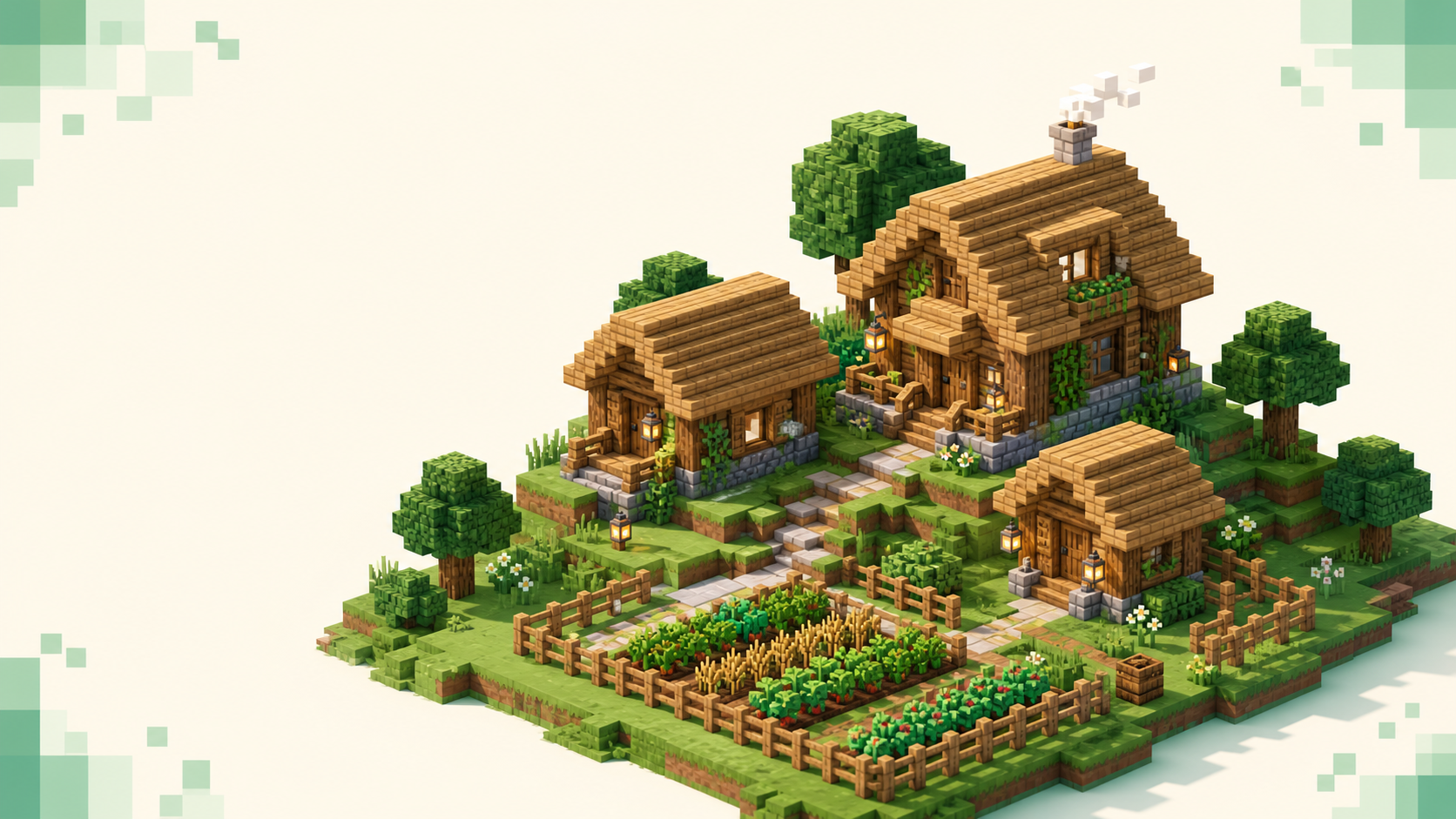
How to pick a semi-vanilla SMP for a small group: plugin restraint, grief protection, world longevity, and uptime, then the live rankings.

How to pick a safe, family-friendly Minecraft server for kids: strict chat filters, real human moderation, anti-grief land claims, whitelists, and no-PvP zones.

How Bedrock players on phone, console, or Windows pick a survival server they can actually reach — what to check on port 19132, then read the live rankings.
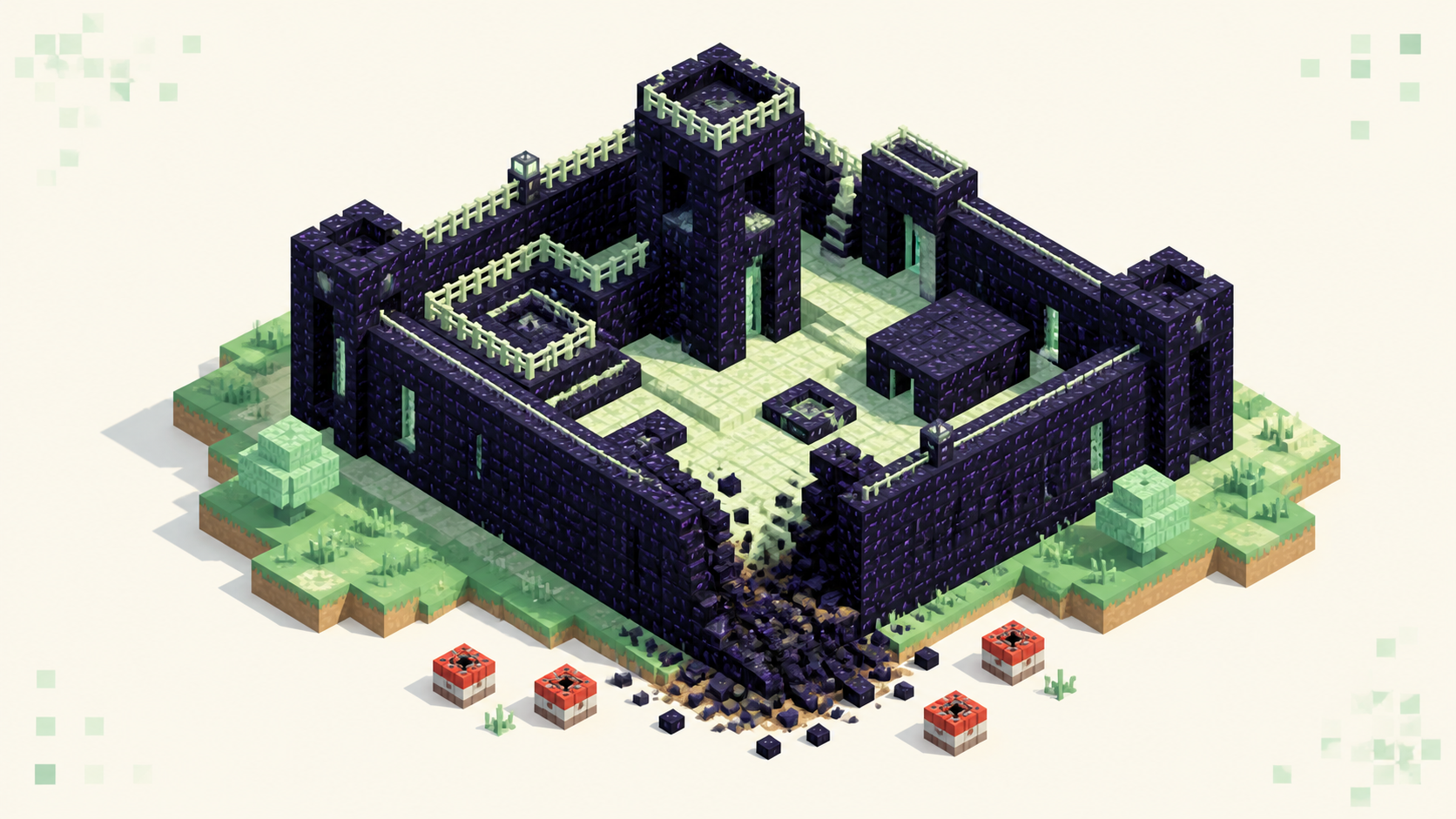
How to pick a hardcore Factions (HCF) server for raiding: weigh deathbans, DTR, anti-cheat, tick stability, and scheduled map seasons, then the live rankings.

A buyer's guide to Minecraft MMORPG servers for questing — how to judge questline depth, custom classes and skill trees, leveling pace, and dungeon endgame.

"End of stream" in Minecraft Java means the connection closed mid-handshake with no disconnect packet — what causes it, and how it differs from a reset.
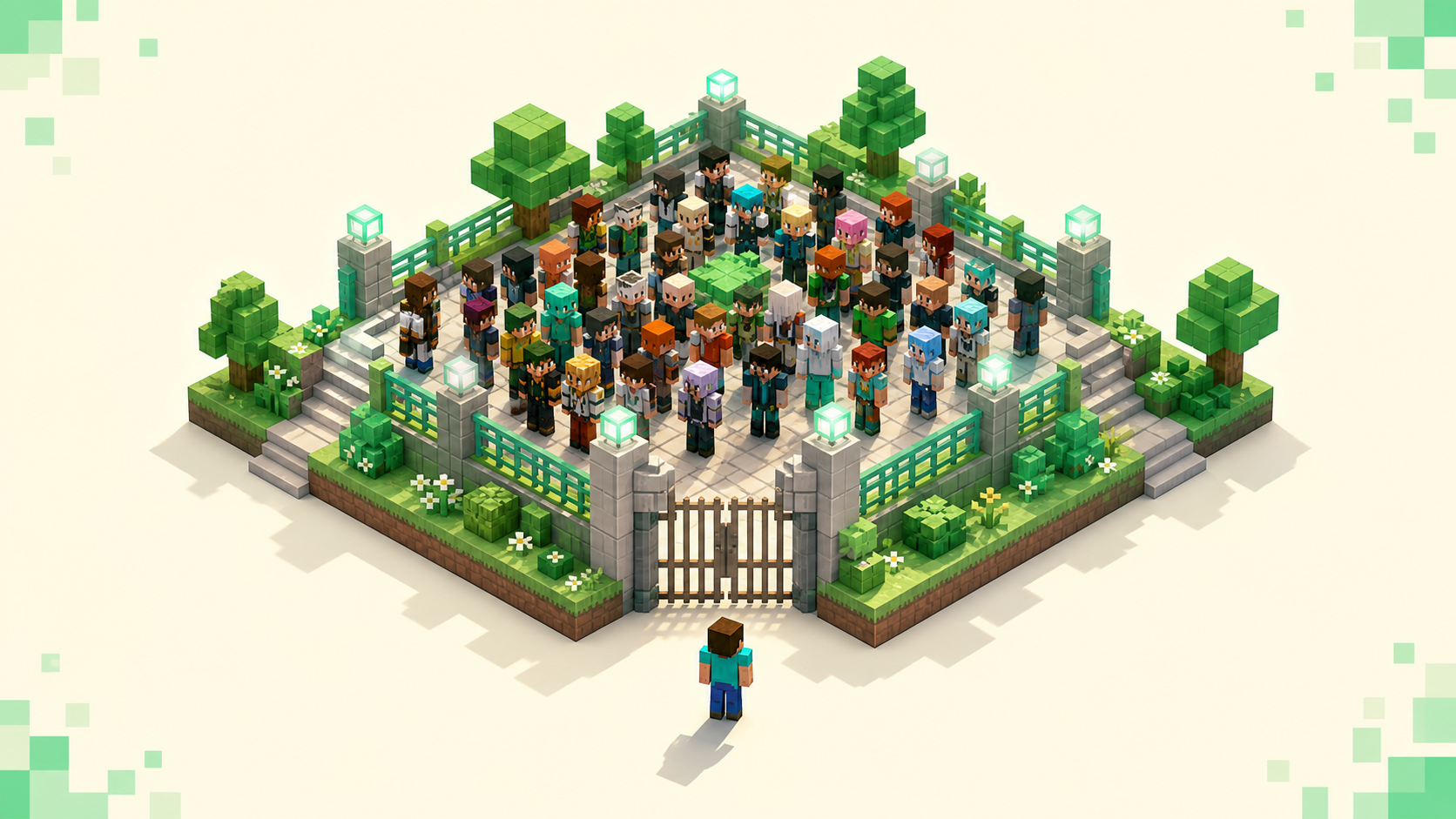
"The server is full" in Minecraft means the server hit its max-players cap, not a problem on your end. Here's why, and how to actually get in.
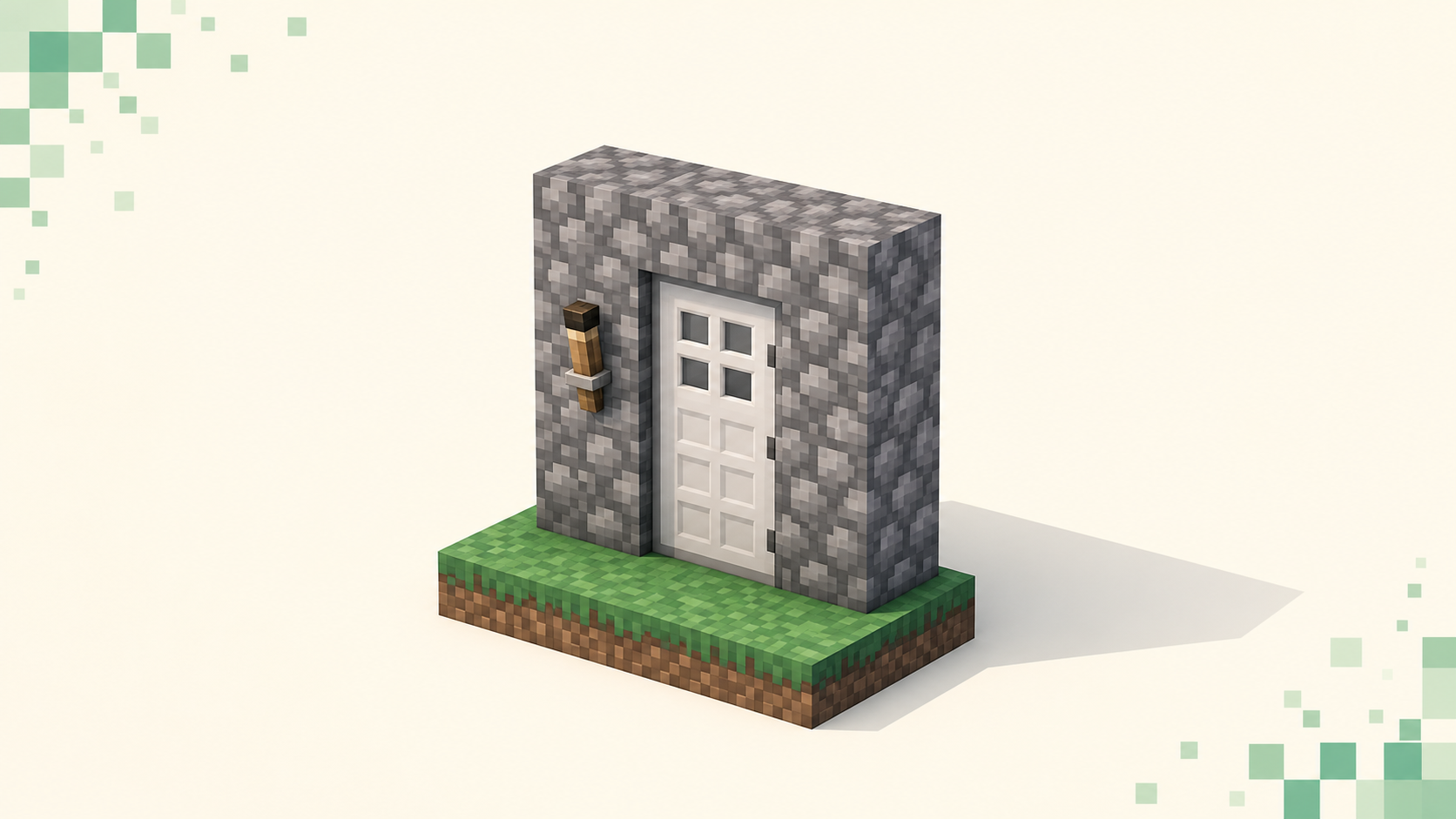
"You are not whitelisted on this server" isn't a ban or a bug — it means your username was never added to the server's list. Here's the player-side fix.

"Read timed out" (java.net.SocketTimeoutException) means the connection opened but no data arrived in the read window — fix it player- and server-side.