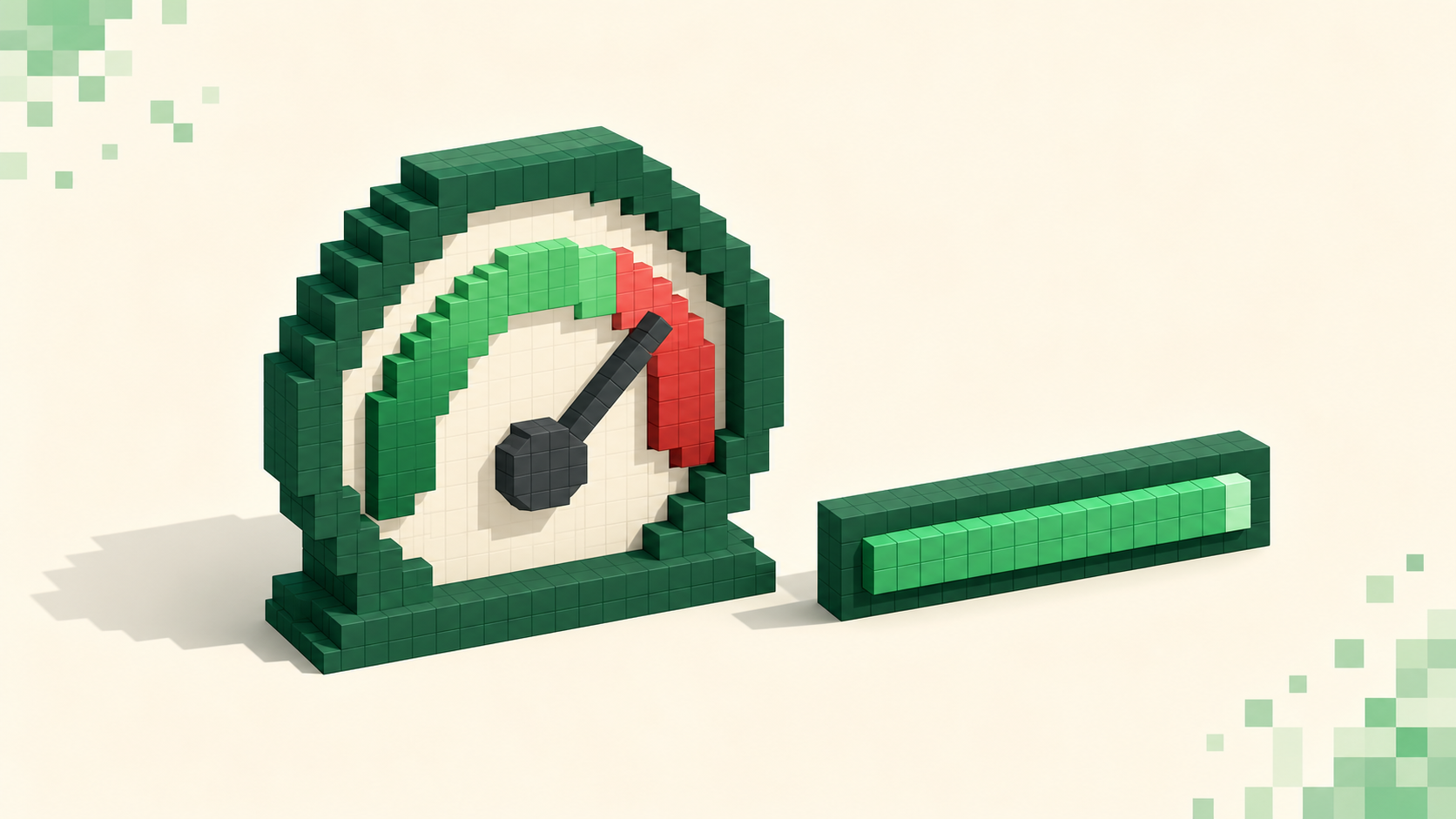
Why Your MSPT Is High but TPS Still Shows 20
Why TPS holds at a flat 20.0 until MSPT crosses the 50ms tick budget, how to read the margin, and how to fix the load before you hit the cliff.
Why TPS holds at a flat 20.0 until MSPT crosses the 50ms tick budget, how to read the margin, and how to fix the load before you hit the cliff.

Should you move your Minecraft server to 26.3 yet? Vanilla and Fabric can go now; Paper, Folia and Geyser crossplay servers should hold on 26.2.

Purpur vs Paper: Purpur is a Paper fork that adds hundreds of gameplay toggles, not speed. Who should switch, who should stay, and how to swap the jar.

Minecraft Java 26.3 uses protocol version 777: what that number does, how it compares with 26.2 and 26.1, and where proxies and ViaVersion stand.

server.properties explained minecraft: what every key does, which defaults to leave alone, and the few that quietly break an existing world if you flip them.
Can't keep up is the server overloaded Minecraft means low TPS, not a bug. Read /tps and /mspt, use Spark to find the tick that ran long, and fix it.

Install the spark profiler, run /spark profiler during the lag, then read the call tree to name the exact plugin, entity, or task eating your tick time.

Vanilla vs Paper server: Paper is a drop-in fork that adds plugins, more TPS headroom, and deeper config while keeping the same world and port 25565.

Mods vs plugins minecraft, explained: plugins run server-side with no client install, mods need Forge or Fabric on both sides. How to pick by goal.

Op yourself from the console or in game with /op, understand ops.json and the op-permission-level 1-4 tiers, and keep your operator list short.

Set enable-command-block=true in server.properties, restart, then /give yourself a command block since it isn't craftable — plus who can place them, and safety.

Why a daily restart clears memory leaks and steadies TPS, plus three ways to schedule it: a start-script loop, a cron job, or a plugin with countdown warnings.

What view distance and simulation distance actually control on a Minecraft server, why simulation distance hits TPS and RAM harder, and how to tune both.

Forge (now mostly NeoForge) carries the deepest modpack library but runs heavier; Fabric is lighter and updates faster. Which loader to run for your server.

Move a singleplayer save onto a Java/Paper server step by step — back up first, copy the world folder, set level-name, and why your inventory won't follow.

How many players a Minecraft server holds comes down to CPU, RAM, and world load — not the max-players cap. Here's what actually sets the ceiling.

Drop the zip into your world's datapacks folder, run /reload, and confirm with /datapack list — plus the per-world gotcha that breaks it on Paper.
A server owner's guide to setting up a whitelist properly: the commands, online-mode for accurate names, Geyser players, and the discoverability cost.

Paper runs almost any plugin server best; Fabric and Forge run the content mods that change the game — here's how the two families differ and which to pick.
Diagnose and fix entity lag on a Paper server — measure with spark, then tune mob caps, activation range, despawn, and merge-radius in the right order.

TPS is how many ticks your server runs per second (target 20); MSPT is how long each tick takes. Here's how they connect and how to read them.

How to choose a Minecraft anti-cheat by detection style, false-positive risk, performance overhead, and gamemode fit, so fair play keeps your players around.
How to install a Paper plugin the right way — match the .jar to your Minecraft version, drop it in plugins, do a full restart, and verify with /plugins.

The safe save-off, save-all flush, save-on backup sequence for a Java server, what to copy besides the world, and how to test a restore before you need it.